
 Image 1 of 1
Fundamentals of Watercolour - 28th June

-
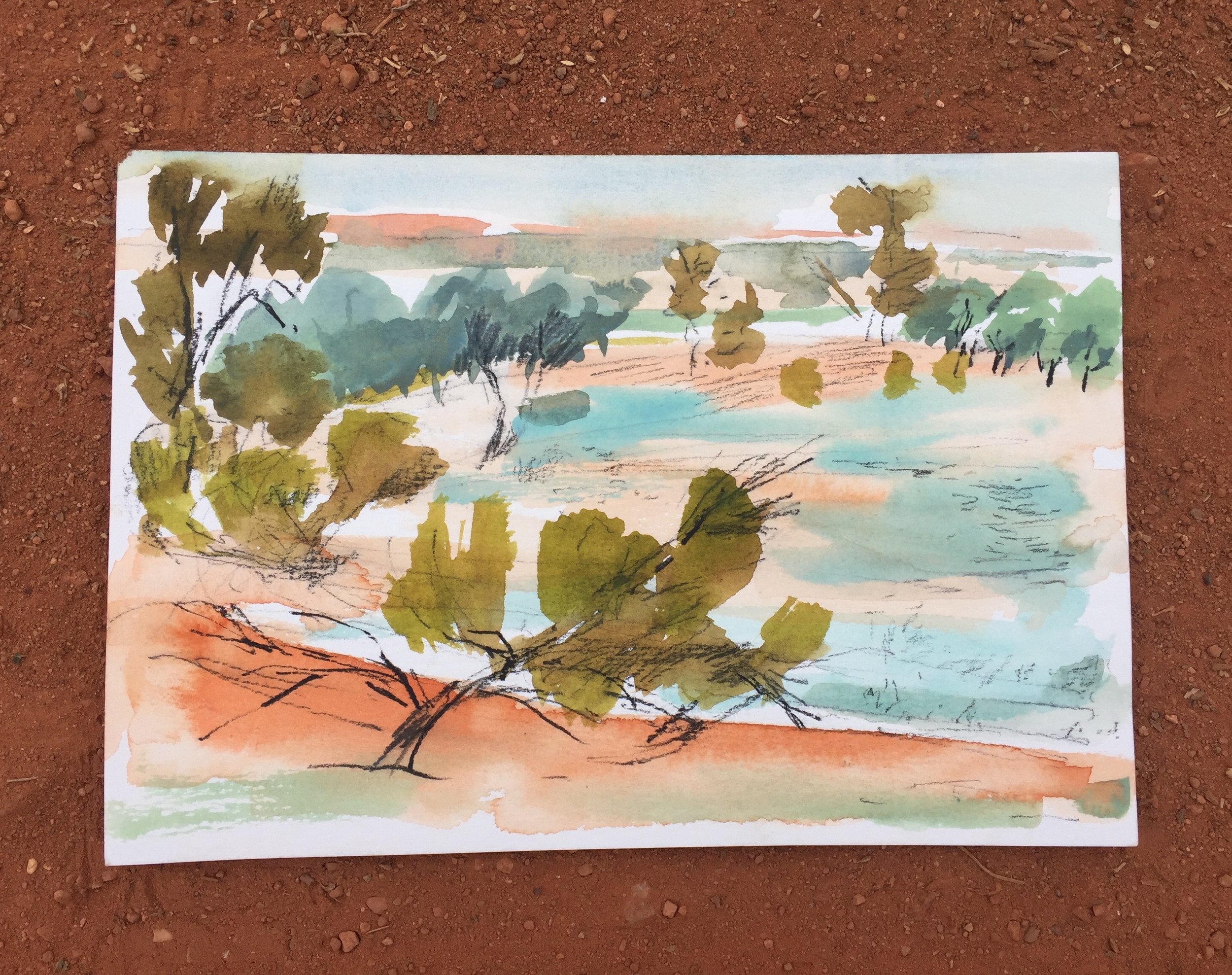
Introduction to watercolour techniques – mixing wet into wet, wet on dry
Brushwork – creating washes, drawing with a brush, wiping off
Mixing colour – transparent and opaque
About Chroma, Hue and Tonal effects
Basics of landscape composition
Perspective and proportion in the landscape
About Master watercolour artists
-
Ochre Lawson is a professional artist with over 15 years experience as a painting and drawing tutor. Ochre works with students at their own level and pace and encourages them to discover their own interests and style in a relaxing and supportive atmosphere.
-
Toilets with disabled access, hall also has disabled access
Easels and backing boards
Tables, drop sheets
Some source material
Kitchen facilities with fridge, microwave, coffee/tea, milk, mugs
-
A4 watercolour paper 3 to 4 sheets and practice paper (180 gsm minimum)
Lead pencil – 2B, rubber
Watercolour set – either tubes or pans
Pigments required – Burnt Sienna, Prussian Blue or Cerulean or Phthaylo Blue or Ultramarine Blue , Cadmium Yellow pale (hue) Alizarin Red
Mixing palette – this could be a ceramic plate or a palette with wells
Watercolour brushes – please bring soft rounded watercolour brushes a size 10 or 12 and a larger one for washes.
kitchen paper for blotting
masking tape for taping down onto board (backing boards are provided)
Apron
Source material – if you wish to bring your own landscape photo to work from please bring it on an a4 print out or on a tablet – please don’t use your phone. Make sure you have good tonal quality and a foreground, mid-ground and background composition.